
A meaningful career can provide purpose, financial stability, and a sense of accomplishment. However, even work that feels rewarding can become overwhelming when professional responsibilities consistently take priority over personal needs. Long hours, demanding schedules, and the pressure to remain productive may leave little time for rest, relationships, and activities outside the workplace.
Occupational wellness encourages a more balanced approach to professional life. Rather than focusing only on job performance or career advancement, it considers whether work contributes positively to overall well-being. At Health & Wellness Hub, we explore the different dimensions of wellness and provide educational resources that help individuals make thoughtful choices about their health, routines, and personal development.
What Is Occupational Wellness?
Occupational wellness refers to finding satisfaction, meaning, and balance in professional activities. It involves recognizing personal strengths, pursuing appropriate opportunities for growth, maintaining healthy workplace relationships, and understanding how career responsibilities fit into the rest of life.
A person doesn’t need to love every aspect of their job to experience occupational wellness. Most careers include stressful responsibilities, difficult decisions, and tasks that aren’t particularly enjoyable. The goal is to develop a sustainable relationship with work while recognizing when changes may be necessary to protect personal well-being.
Why Occupational Wellness Matters for Healthcare Professionals
Healthcare professionals often work in environments that require sustained concentration, emotional awareness, and quick decision-making. Patient needs, administrative responsibilities, and unpredictable schedules can make it difficult to maintain consistent routines. Even professionals who feel deeply connected to their work may experience periods of exhaustion or reduced job satisfaction.
Occupational wellness provides an opportunity to examine these pressures without assuming that career dedication and personal health must compete. Recognizing the importance of adequate rest, supportive relationships, and realistic expectations can help professionals approach their responsibilities with greater awareness. Visit our About Us page for more information.
Understanding the Connection Between Work and Personal Wellness
Occupational wellness is closely connected to other areas of well-being. A demanding schedule may affect sleep, physical activity, social relationships, and emotional health. Financial concerns can influence career decisions, while a lack of professional fulfillment may affect motivation outside the workplace.
Health & Wellness Hub provides a helpful framework for understanding these connections. Its eight dimensions encourage individuals to consider how different parts of life influence one another. Improving occupational wellness may begin with identifying which other areas are receiving too little attention.
Recognizing Signs of Occupational Imbalance
Occupational imbalance can appear in different ways. Some individuals find themselves thinking about work constantly, even during personal time. Others may experience difficulty maintaining relationships, feel disconnected from their professional purpose, or struggle to recover after demanding shifts.
These experiences don’t automatically indicate a medical condition or a need to change careers. However, recurring dissatisfaction, exhaustion, or difficulty maintaining personal routines can signal that something deserves attention. Reflecting on these patterns can help individuals determine whether adjustments to schedules, responsibilities, or expectations might be beneficial.
Why Healthy Boundaries Are Important
Healthy boundaries help define where professional responsibilities end and personal time begins. In healthcare and other service-oriented careers, setting boundaries can be challenging because helping others is often central to professional identity. However, being consistently available doesn’t necessarily lead to better long-term performance.
Boundaries might involve protecting time away from work, discussing manageable workloads, or limiting nonessential professional communication during personal hours when possible. The appropriate approach depends on job requirements and individual circumstances. Clear communication and realistic expectations can help make these boundaries more sustainable. Visit our Services page for more information.
How Small Daily Habits Support Occupational Wellness
Improving occupational wellness doesn’t always require a major career change. Small adjustments to daily routines may help individuals feel more organized and supported. Taking appropriate breaks, preparing meals ahead of demanding shifts, and maintaining a consistent sleep schedule are examples of habits that can contribute to overall well-being.
These routines should be practical rather than overly ambitious. A healthcare professional working rotating shifts may need different strategies from someone with a predictable schedule. The most useful habits are those that can be maintained without creating another source of pressure.
The Role of Physical Wellness in Professional Life
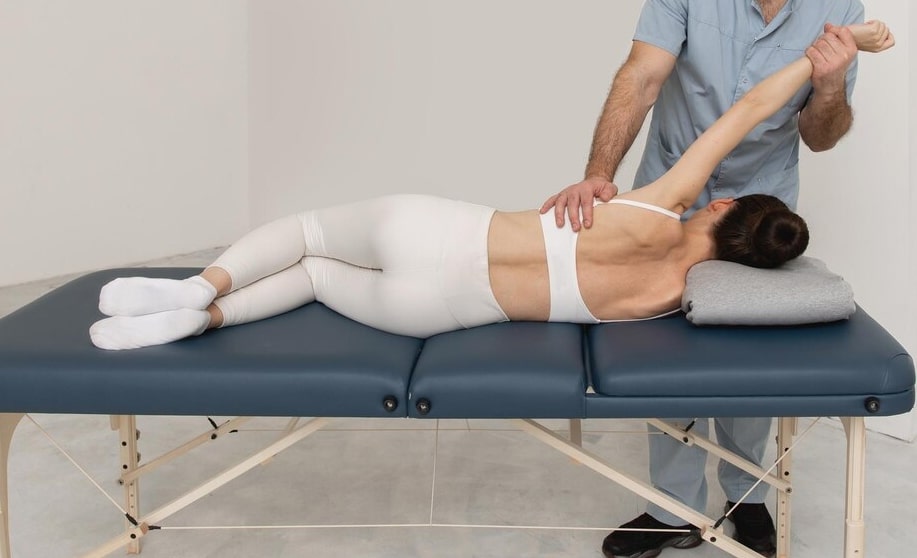
Physical wellness can influence how people experience their workdays. Extended periods of standing, repetitive movements, limited opportunities for meals, and insufficient recovery time can contribute to discomfort and fatigue. Healthcare professionals may face additional physical demands depending on their specialty and workplace.
Health & Wellness Hub offers physical wellness resources that encourage attention to movement, healthy routines, and personal health. Exploring these resources can help professionals identify practical ways to support their bodies while managing occupational responsibilities.
Why Career Purpose Matters
Feeling connected to the purpose behind professional work can contribute to career satisfaction. For some people, this connection comes from helping patients or supporting colleagues. Others find meaning through problem-solving, professional development, teaching, or contributing to improvements within their workplace.
However, purpose doesn’t eliminate the need for balance. Someone can find their career meaningful and still experience stress or frustration. Occupational wellness involves appreciating the value of professional contributions while acknowledging that personal identity extends beyond a job title.
Managing Workplace Stress More Effectively
Workplace stress is sometimes unavoidable, particularly in environments where responsibilities change quickly. The important question is how individuals recognize and respond to that stress. Regular recovery time, supportive conversations, and realistic workload expectations can all play a role.
The National Institutes of Health Emotional Wellness Toolkit offers practical strategies for managing stress, building resilience, and supporting emotional health. These recommendations can complement occupational wellness efforts by encouraging individuals to develop healthier responses to demanding situations.
Building Supportive Workplace Relationships
Professional relationships can influence how supported individuals feel throughout the workday. Respectful communication, collaborative problem-solving, and opportunities to ask for assistance can make demanding responsibilities easier to manage.
Healthcare professionals often rely on teamwork, making these relationships especially important. Building connections with colleagues doesn’t require becoming close friends with everyone. It can begin with clear communication, mutual respect, and a willingness to recognize when someone needs support.
Why Professional Growth Supports Wellness
Learning new skills and exploring professional interests can help individuals remain engaged in their careers. Continuing education, mentorship, and new responsibilities may provide opportunities for growth while helping professionals identify areas they find particularly meaningful.
Professional development should still be balanced with personal needs. Taking on additional commitments without sufficient time or support may create unnecessary pressure. Occupational wellness encourages thoughtful growth rather than pursuing every opportunity simply because it is available.
How Financial Wellness Influences Career Decisions
Financial responsibilities often affect decisions about working hours, career changes, and professional opportunities. Individuals may feel pressure to accept additional shifts or remain in roles that no longer align with their goals because of financial concerns.
Developing a clearer understanding of personal finances can support more informed decisions. Visit Health & Wellness Hub Services page for more information.
Creating a More Sustainable Work-Life Balance
Work-life balance doesn’t necessarily mean dividing every day equally between professional and personal activities. Different career stages and personal circumstances require different arrangements. A sustainable balance is one that allows individuals to meet important responsibilities while maintaining sufficient time for health, relationships, and personal interests.
Regular reflection can help identify when priorities need adjustment. Consider whether your current routine leaves room for meaningful rest, whether work-related stress affects your personal life, and which small changes could make your schedule more manageable.
Make Occupational Wellness Part of Your Routine
Occupational wellness is an ongoing process rather than a goal that can be completed once. Professional responsibilities, personal circumstances, and career interests evolve over time, making it useful to revisit your needs periodically.
By recognizing the connections between work, physical health, emotional wellness, and personal fulfillment, individuals can develop a more balanced approach to their careers. Even small changes can help create space for healthier routines and a more satisfying professional experience.
Explore Occupational Wellness With Health & Wellness Hub
A rewarding career should support your sense of purpose without requiring you to neglect the other important parts of your life. Whether you’re a healthcare professional managing demanding shifts or someone seeking greater satisfaction in your career, occupational wellness offers a valuable framework for understanding your needs.
Contact Health & Wellness Hub today to explore occupational wellness resources, discover the eight dimensions of well-being, and find practical ideas for creating a healthier work-life balance. Start exploring our Wellness Wheel and take the next step toward a more fulfilling professional and personal life!