
Healthy eating has become surprisingly complicated. Everywhere you look, someone seems to be promoting a new diet, labeling certain foods as unhealthy, or recommending that an entire food group be removed from your routine. With so much conflicting information, it’s easy to feel like eating well requires a long list of restrictions. For many people, however, a healthier approach begins with something much simpler: creating an eating pattern that provides nutritious foods, fits your lifestyle, and is realistic enough to maintain.
Nutrition also shouldn’t be viewed in isolation. The way you eat can be influenced by your work schedule, stress level, sleep, finances, relationships, environment, and even how much time you have available to prepare food. Health & Wellness Hub approaches well-being from this broader perspective. You can visit our Services page to explore how physical wellness connects with emotional, social, intellectual, occupational, environmental, financial, and spiritual wellness.
Focus on Your Overall Eating Pattern
One meal doesn’t determine whether your diet is healthy, just as one dessert doesn’t undo every nutritious choice you’ve made. It’s much more useful to consider your overall eating pattern. Look at what you typically eat throughout the week and ask whether you’re regularly including vegetables, fruits, protein sources, fiber-rich foods, and other nutrient-dense choices.
The CDC’s current healthy-eating guidance emphasizes whole, nutrient-dense foods, including vegetables, fruits, protein foods, healthy fats, dairy without added sugars, and whole grains. It also encourages limiting highly processed foods, added sugars, sodium, and refined carbohydrates.
For additional evidence-based nutrition information, the CDC’s Healthy Eating Tips provide practical recommendations that can be incorporated into everyday meals without requiring an overly complicated diet.
Think About What You Can Add
Healthy eating conversations often begin with restriction. People are told what they shouldn’t eat, which foods they need to eliminate, and which ingredients they should avoid. While some foods may be better consumed less frequently, constantly thinking about restriction can make healthy eating feel like punishment.
Instead, consider what nutritious foods you can add to your current meals. Breakfast might benefit from fruit or a protein source. Lunch could include an additional vegetable. An afternoon snack might include fruit, nuts, vegetables, or another nutrient-dense choice. Dinner could incorporate a fiber-rich whole grain or legumes. Small additions can gradually improve the overall nutritional quality of your meals without forcing you to completely change the foods you already enjoy.
Add More Variety to Your Plate
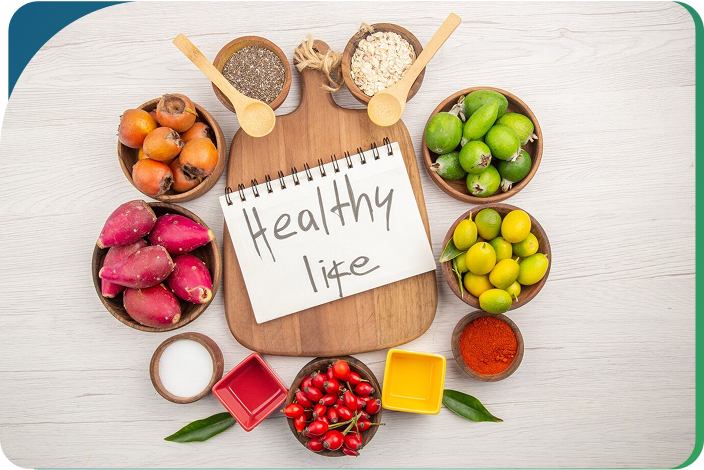
Eating a variety of foods can help provide a broader range of nutrients. Fruits and vegetables are an easy place to begin because different varieties provide different vitamins, minerals, fiber, and other beneficial compounds. Rather than relying on the same vegetables every week, experiment with leafy greens, peppers, carrots, tomatoes, broccoli, squash, berries, citrus fruits, and other options you enjoy.
Fresh produce isn’t the only choice either. Frozen and canned fruits and vegetables can be convenient alternatives, especially when certain foods aren’t in season or you need ingredients that will last longer. The CDC notes that fresh, frozen, dried, and canned options can all fit into healthy eating patterns, with attention to added sugar and sodium where applicable.
Make Protein and Fiber Part of Your Routine
Protein can help make meals more complete, and there are many ways to incorporate it beyond relying on the same foods every day. Eggs, seafood, poultry, meat, beans, lentils, nuts, seeds, soy foods, and other protein sources can all contribute to a varied eating pattern.
Fiber deserves attention as well. Fruits, vegetables, legumes, whole grains, nuts, and seeds are common fiber sources. The CDC notes that fiber supports digestive health and can help people feel fuller for longer. Instead of trying to dramatically change your diet overnight, gradually include more fiber-rich foods in meals you already eat. Adding beans to a salad, choosing whole fruit as a snack, including vegetables with lunch, or starting the day with oatmeal are simple examples.
Use Meal Planning to Make Healthy Eating Easier
Good intentions can disappear quickly when you’re hungry, tired, and have nothing prepared. That’s why meal planning can be useful. The goal isn’t necessarily to spend an entire Sunday preparing identical meals for the week. Planning can be as simple as choosing several dinners in advance, making a grocery list, keeping breakfast ingredients available, and having a few easy snacks ready.
The CDC specifically notes that planning meals at home can make nutritious choices easier and recommends keeping convenient options such as prepared vegetables, fruits, nuts, yogurt without added sugars, and whole-grain foods available. Making healthier choices convenient reduces the number of decisions you need to make when you’re already hungry.
Avoid Labeling Every Food as Good or Bad
Developing a healthier relationship with food also means moving away from the idea that every meal needs to be perfect. Foods have different nutritional qualities, but eating dessert doesn’t make someone unhealthy, just as eating one salad doesn’t automatically create a healthy lifestyle.
A sustainable eating pattern can include nutritious everyday foods while leaving room for celebrations, restaurants, cultural traditions, favorite meals, and occasional treats. When eating becomes excessively rigid, it can be difficult to maintain. Flexibility allows healthy habits to exist within normal life rather than requiring life to revolve around food rules.
Pay Attention to Why You’re Eating
Physical hunger isn’t the only reason people eat. Stress, boredom, celebration, loneliness, fatigue, social situations, and routine can all influence food choices. Recognizing those patterns can help you better understand your relationship with food.
For example, if you consistently snack when you’re stressed rather than hungry, you might explore additional ways to manage that stress. A walk, conversation with someone you trust, relaxing activity, journaling, or simply taking a break may help address what you’re actually feeling. Food doesn’t need to be completely separated from emotion, but understanding the connection can make your choices more intentional.
Because emotional and physical wellness frequently overlap, you can visit our Emotional Wellness resources to explore information related to self-awareness, coping skills, mindfulness, and emotional well-being. Health & Wellness Hub’s Wellness Wheel specifically recognizes emotional wellness as one of eight interconnected dimensions of health.
Slow Down and Experience Your Meals
Busy schedules can turn eating into another task. Breakfast happens while checking email, lunch happens at a desk, and dinner happens while scrolling through a phone or watching television. While distracted eating isn’t always avoidable, slowing down when possible can help you pay more attention to taste, texture, hunger, fullness, and enjoyment.
You don’t need to transform every meal into a mindfulness exercise. Simply giving yourself a little more time to notice the experience can make eating feel more intentional. It may also help you recognize which foods leave you feeling satisfied and which eating patterns work best for your body and routine.
Remember That Food Has a Social Side
Meals also play an important role in relationships. Family dinners, lunches with coworkers, holidays, cultural traditions, and celebrations often revolve around food. A healthy eating pattern shouldn’t require avoiding social situations because every available food doesn’t fit a rigid plan.
Sharing meals can support another important part of wellness: connection. Health & Wellness Hub recognizes social wellness as the ability to relate to and connect with others.
Don’t Let One Choice Derail Your Routine
All-or-nothing thinking can make healthy habits much harder to maintain. Maybe you planned to cook dinner but ordered takeout instead. Perhaps you ate more dessert than expected at a celebration. That doesn’t mean you need to wait until Monday to “start over.”
Simply continue with your normal routine at the next meal. You don’t need to compensate for what you ate or punish yourself with excessive restriction. Long-term consistency matters far more than trying to achieve a perfect eating streak.
Nutrition Is One Part of a Bigger Wellness Picture
Eating well matters, but nutrition isn’t the entire definition of wellness. Physical activity, emotional health, sleep, relationships, work-life balance, finances, purpose, environment, and other factors can influence how you feel and function.
That’s why Health & Wellness Hub uses a Wellness Wheel centered around eight interconnected pillars rather than treating wellness as a single behavior. Improving your nutrition may support other areas of wellness, just as improving sleep, managing stress, or strengthening social connections can make healthy eating easier.
Build an Eating Pattern You Can Actually Maintain
Healthy eating doesn’t need to become another source of pressure. Focus on your overall eating pattern, add more nutrient-dense foods, include a variety of fruits and vegetables, choose different protein sources, incorporate fiber-rich foods, and plan ahead when you can. Most importantly, leave enough flexibility for your eating habits to work in real life.
Small improvements that you can maintain are more useful than extreme changes that disappear after a few weeks. Your goal doesn’t have to be perfect nutrition. It can simply be making choices that consistently support your health while still allowing you to enjoy food and everyday life.
Contact Health & Wellness Hub today to discover resources across physical, emotional, social, intellectual, occupational, environmental, financial, and spiritual wellness. Choose one realistic improvement you can begin today and continue building a healthier, more balanced lifestyle one sustainable choice at a time.